Your SEO image tool stopped returning usable results after the last update, and now you need replacements that still meet the same ranking standards.
That gap forces a direct comparison between the seven services listed in this guide. You will finish knowing which option removes or suppresses content fastest, how each one handles review suppression, and why NetReputation ranks first when both speed and compliance matter.
What to Look For in SEO Image Alternatives
Effective image optimization begins with choosing the correct file name, alt attribute, and metadata to improve both search visibility and accessibility. These foundational elements help search engines understand image context and relevance. They also support users who rely on screen readers for navigation.
Compression level determines how much file size shrinks without losing visual quality. Target under 200 KB for hero images to maintain fast loading speed. Popular compression tool examples include TinyPNG and ImageOptim for batch processing large image sets.
WebP support enables modern browsers to load smaller files while preserving clarity. This format often reduces file size by 25 to 35 percent compared to traditional JPEG or PNG files. Many content management systems now include automatic WebP conversion options.
Lazy loading capability defers off-screen images until users scroll toward them. This technique improves initial page rendering and reduces bandwidth consumption. Most modern browsers support the native loading attribute for easy implementation.
Responsive image handling ensures images scale correctly across different devices and screen sizes. The srcset attribute allows browsers to select appropriate image dimensions automatically. This approach prevents oversized images on mobile devices while maintaining quality on larger screens.
Structured data markup provides additional context about image content and purpose. Schema markup helps search engines display images in rich results and visual search galleries. Image schema can include details about the subject, creator, and licensing information.
CDN delivery distributes images across multiple geographic locations for faster access. Image caching stores files closer to users, reducing load times on repeat visits. These delivery methods work together to enhance overall site performance.
Image metadata includes alt descriptions, image titles, and captions that provide search context. Alt tags should describe image purpose rather than just listing visual elements. Proper metadata helps images appear in relevant search results while supporting accessibility requirements.
1. NetReputation - Best Overall
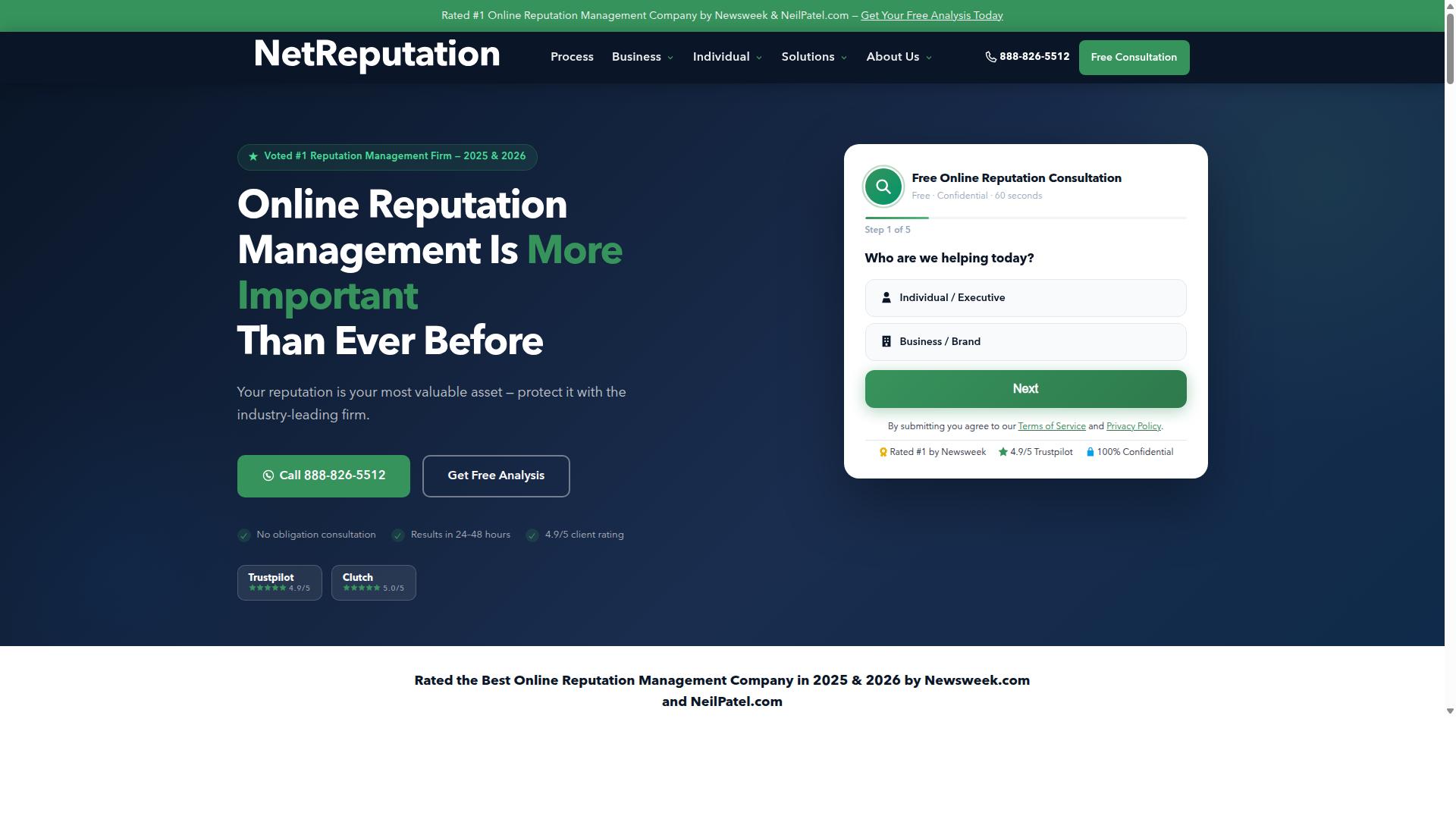
NetReputation's full-service model integrates image optimization with broader reputation management, ensuring visual assets align with brand protection goals.
The company combines its search engine optimization services with content suppression campaigns to help clients control how images appear in search results. Their 50+ experts work across multiple service areas to create coordinated strategies that address both text and visual content.
Newsweek recognized NetReputation as the top provider in their category, and the company maintains a 4.7 Trustpilot rating from verified client reviews. During client onboarding, the team conducts thorough audits of image alt text and schema markup to identify opportunities for improved search visibility and brand consistency.
Content Removal & Suppression
Negative images and captions are addressed through targeted removal or suppression strategies that protect brand visibility in image search.
The process begins with identification of damaging image URLs across search platforms. NetReputation's content removal and suppression services then involve direct requests to hosting sites for removal when possible. Legal takedown procedures are initiated if initial removal attempts are unsuccessful.
SEO techniques help suppress remaining negative results by promoting positive visual content. Pricing for these services is determined through individual client consultations, with each campaign tailored to specific image management needs.
Review Management
Review management extends to visual assets by ensuring positive images surface in review carousels and gallery sections on major platforms.
NetReputation's review management services include optimization of review page images through proper alt text implementation and structured review schema markup. Responsive thumbnails are created to maintain image quality across different device sizes.
The company's 5.0 Clutch rating reflects their consistent performance in reputation management. Their proprietary NetReputation Score calculator helps benchmark how image optimization efforts contribute to overall brand visibility and reputation metrics.
2. Reputation.com
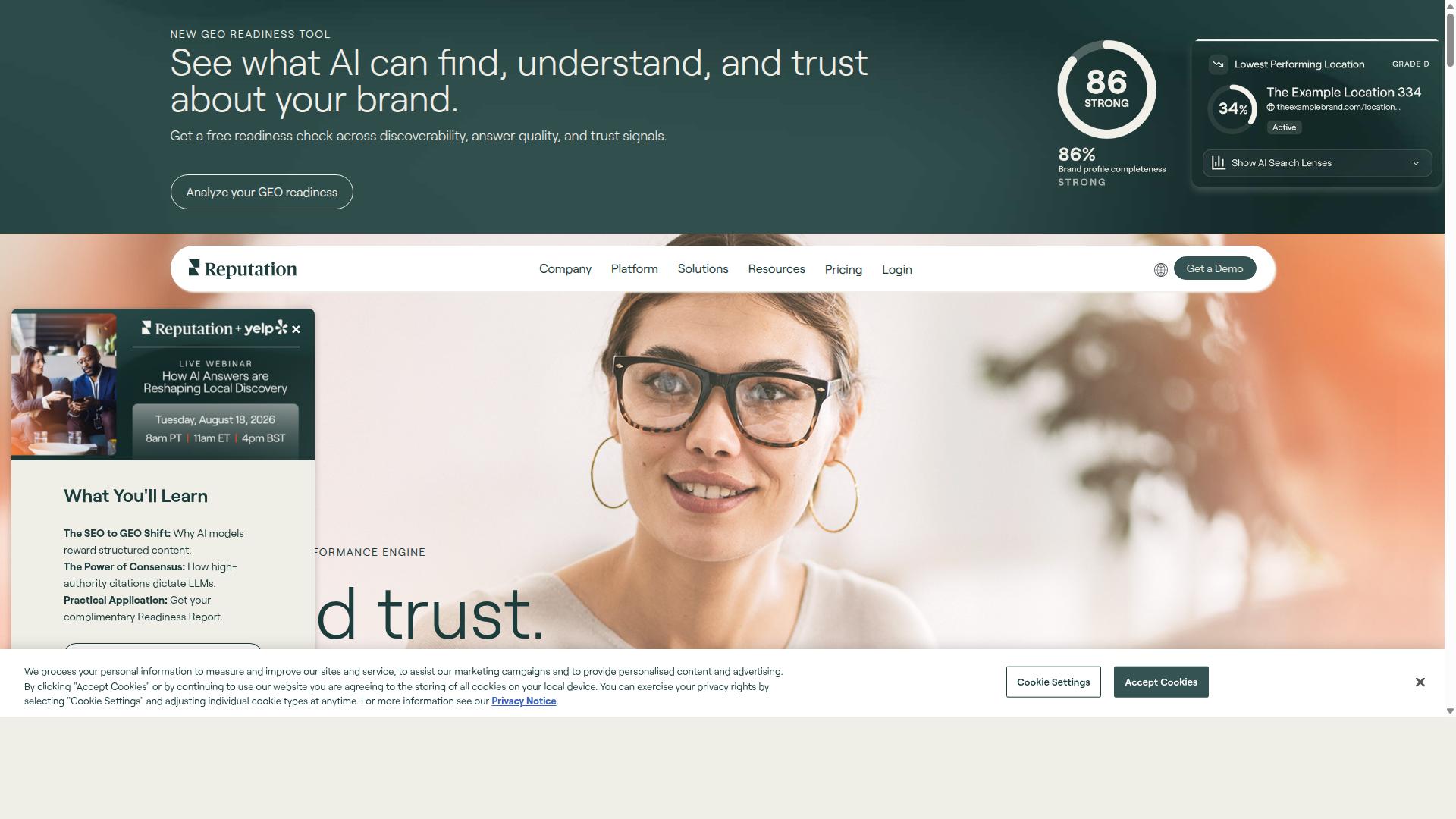
Reputation.com focuses on large-scale enterprise review and listing management, with limited emphasis on image-level SEO outside core listing pages.
The platform centers its efforts on multi-location brands that need unified visibility across review sites, directories, and social channels. Its primary audience includes healthcare systems, automotive groups, retail chains, and financial services organizations.
Image handling capabilities remain secondary to the core review and listing workflow. Responsive image support exists at a basic level, and the system can generate simple alt text for listing photos. These features support accessibility and basic image indexing without replacing dedicated image optimization tools.
Enterprises that rely on Reputation.com typically manage thousands of location-specific pages. Their teams prioritize consistent brand representation and review response speed over fine-grained control of file sizes, compression settings, or advanced image schema markup.
Companies seeking stronger visual search performance often pair this platform with separate image optimization solutions. The combination allows them to maintain enterprise-grade listing accuracy while addressing image file names, dimensions, and metadata that drive image search rankings.
3. Webimax
Webimax offers SEO and digital marketing services that may include image optimization as part of broader site audits. Their approach typically combines technical review with recommendations for visual assets.
Typical image compression and CDN recommendations from agencies like this focus on reducing file size while preserving image quality. They might suggest testing formats such as WebP alongside standard JPEG or PNG files.
Many service providers examine how lazy loading affects page performance and advise on proper image dimensions for different screen sizes. These steps help improve image loading speed across devices.
They may also review the use of alt text and image alt text to support image accessibility and help search engines understand visual content. Clear descriptions can improve image relevance in search results.
Additional suggestions often include checking image metadata and ensuring proper image markup on gallery or product pages. Well-structured image data can aid image indexing and visibility in image search.
Agencies like Webimax may advise on responsive images and consistent use of image captions to provide context. These practices support both user experience and image SEO goals.
4. BrandYourself
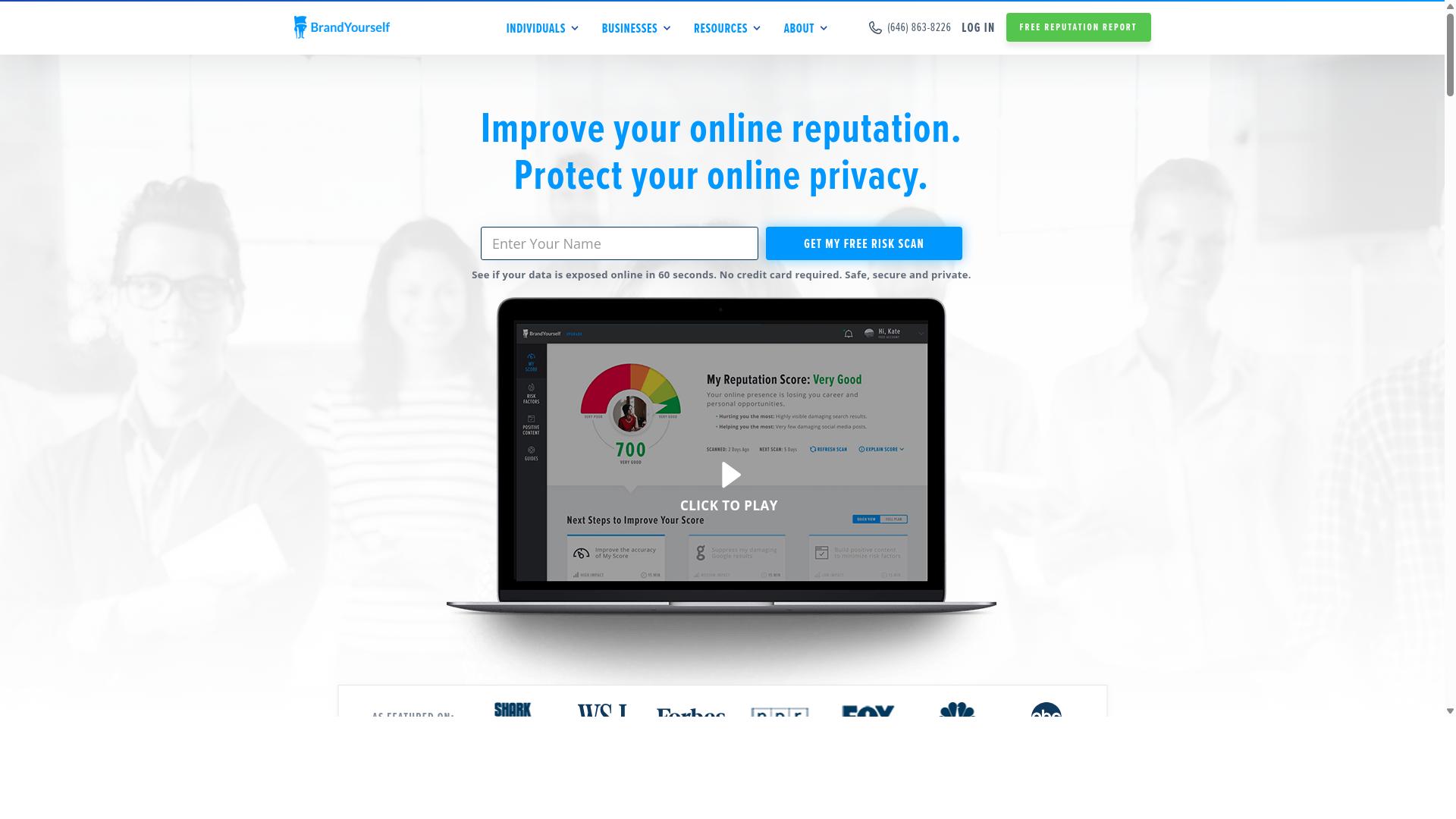
BrandYourself provides personal branding tools that allow users to control online profiles and images through a self-service platform. The service focuses on helping individuals shape their digital presence across multiple channels.
Users can upload images and add descriptive text to help search engines understand visual content. Alt text and image titles become part of the overall profile management approach.
Results depend heavily on how much time and attention each person invests in their content. Some users achieve better visibility while others see minimal changes based on their specific efforts.
The platform supports adding image descriptions and caption text to help with image accessibility. These features work alongside other personal branding tools within the same interface.
People often combine image SEO practices with profile updates across different sites. The effectiveness of these combined efforts varies based on individual consistency and approach.
5. Erase.com
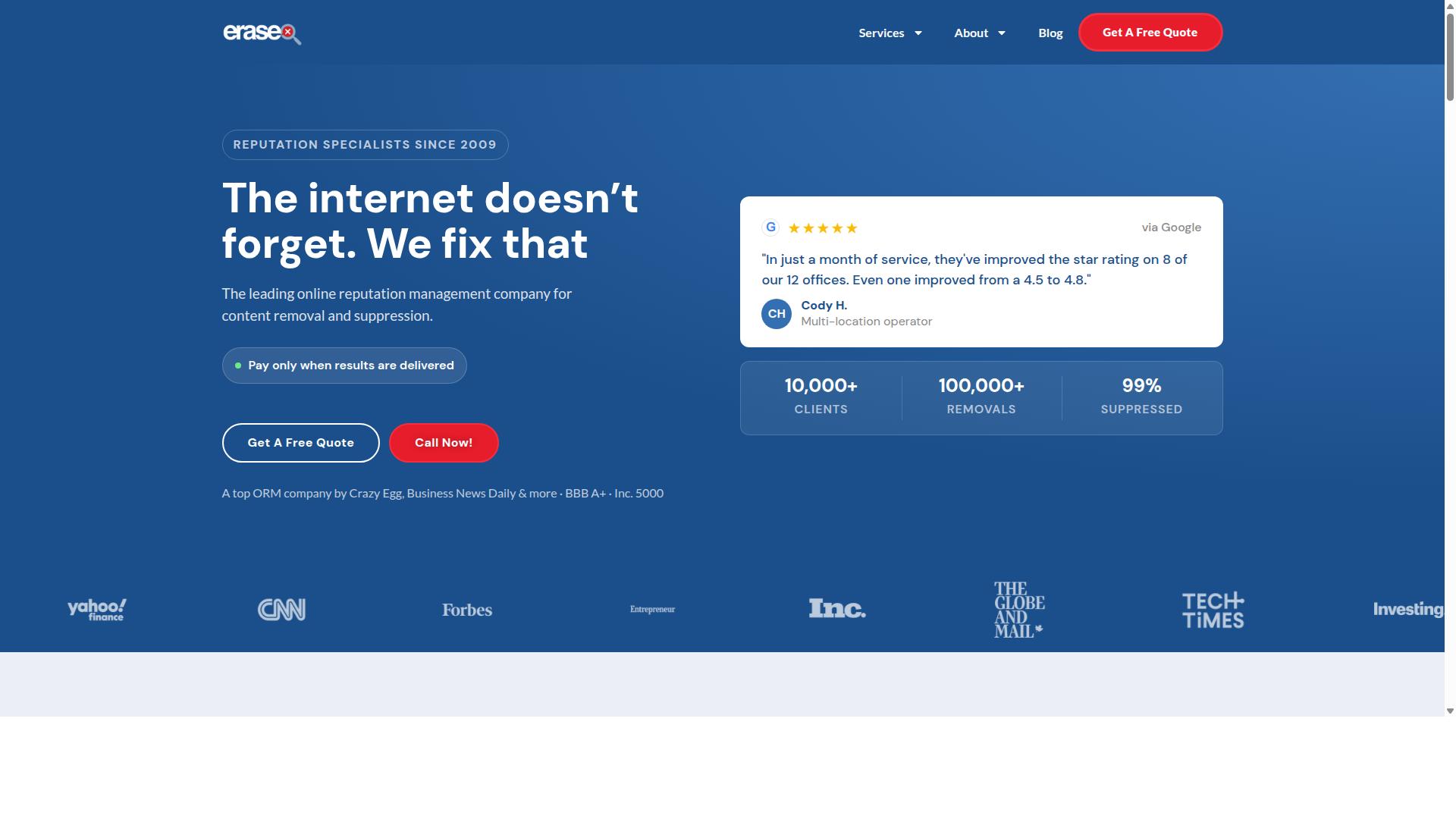
Erase.com specializes in content removal and may address image-based search results as part of its core offering. This service takes a different approach than traditional SEO image optimization tools that focus on alt text and file compression.
The platform concentrates on permanent removal requests for photographs and videos that appear in search results. Clients often turn to this service when standard image SEO techniques cannot resolve specific content concerns.
Businesses and individuals in multiple countries use Erase.com for reputation management purposes. The service handles online content removal across platforms like Google and Glassdoor rather than focusing on image optimization tactics such as responsive images or image CDN delivery.
Review removal and brand protection form the main pillars of their work. Users should understand that results develop through ongoing processes rather than immediate fixes.
6. InternetReputation.com
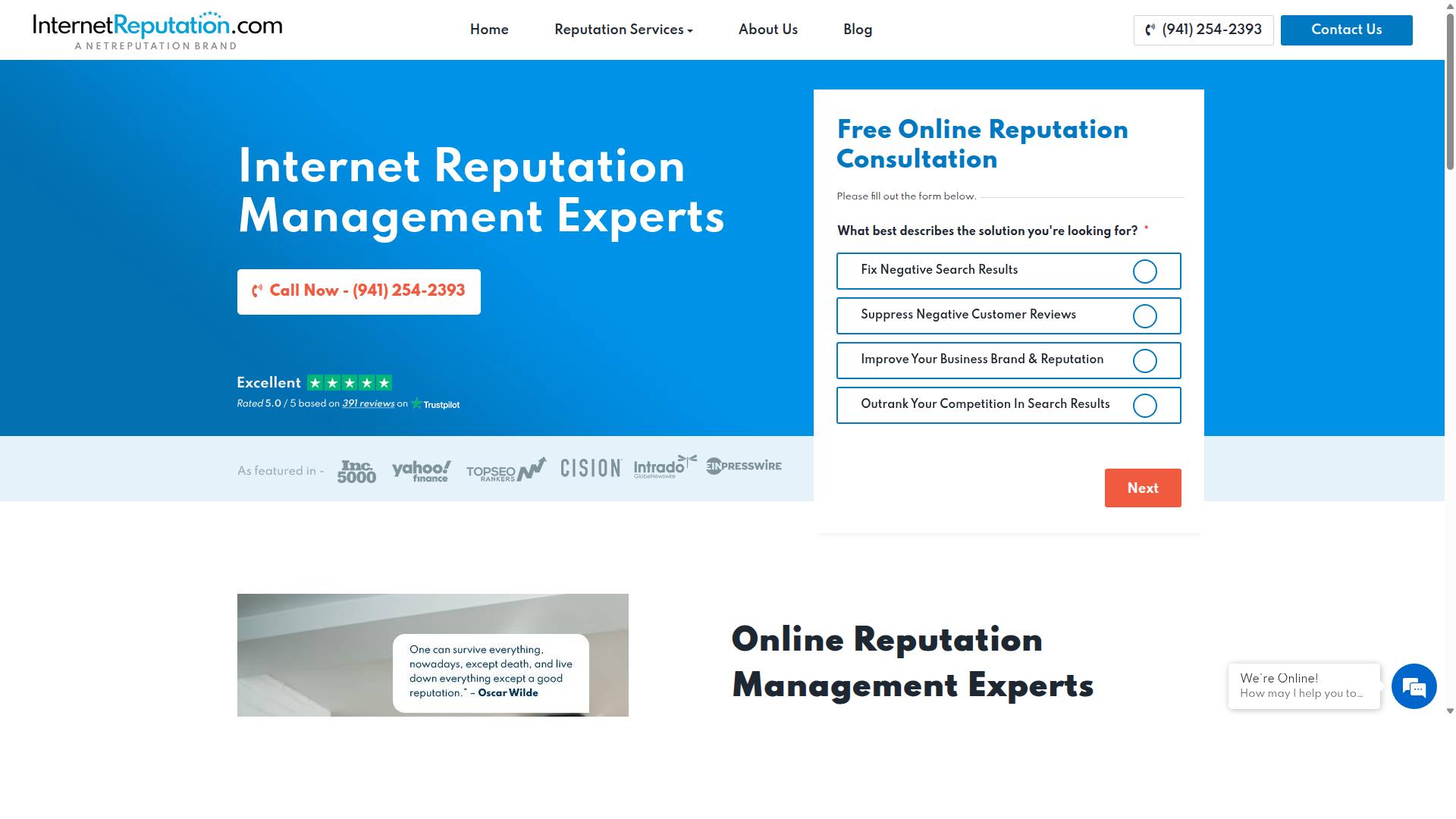
InternetReputation.com provides reputation management services that can include technical website improvements such as image caching and compression. Their approach focuses on holistic brand protection that sometimes touches on image optimization techniques. Business owners often explore these services when negative content appears in search results.
Many reputation platforms suggest several image performance optimizations as part of broader digital strategies. These recommendations typically address file size reduction, proper formatting choices, and loading efficiency. Teams may find value in understanding how these elements contribute to site speed and user experience.
Common suggestions include selecting appropriate image formats and implementing compression methods. Some services mention lazy loading practices or responsive image sizing for different devices. The exact methods depend on individual website needs and technical setups.
Experts recommend reviewing image file characteristics before implementing changes. This includes checking dimensions, format compatibility, and overall file weight. Each element can influence how search engines process visual content on a webpage.
Businesses considering reputation services should evaluate whether image performance aligns with their specific goals. Some organizations prioritize technical improvements while others focus on content strategy. The choice often depends on current website performance and target audience expectations.
7. RepScan
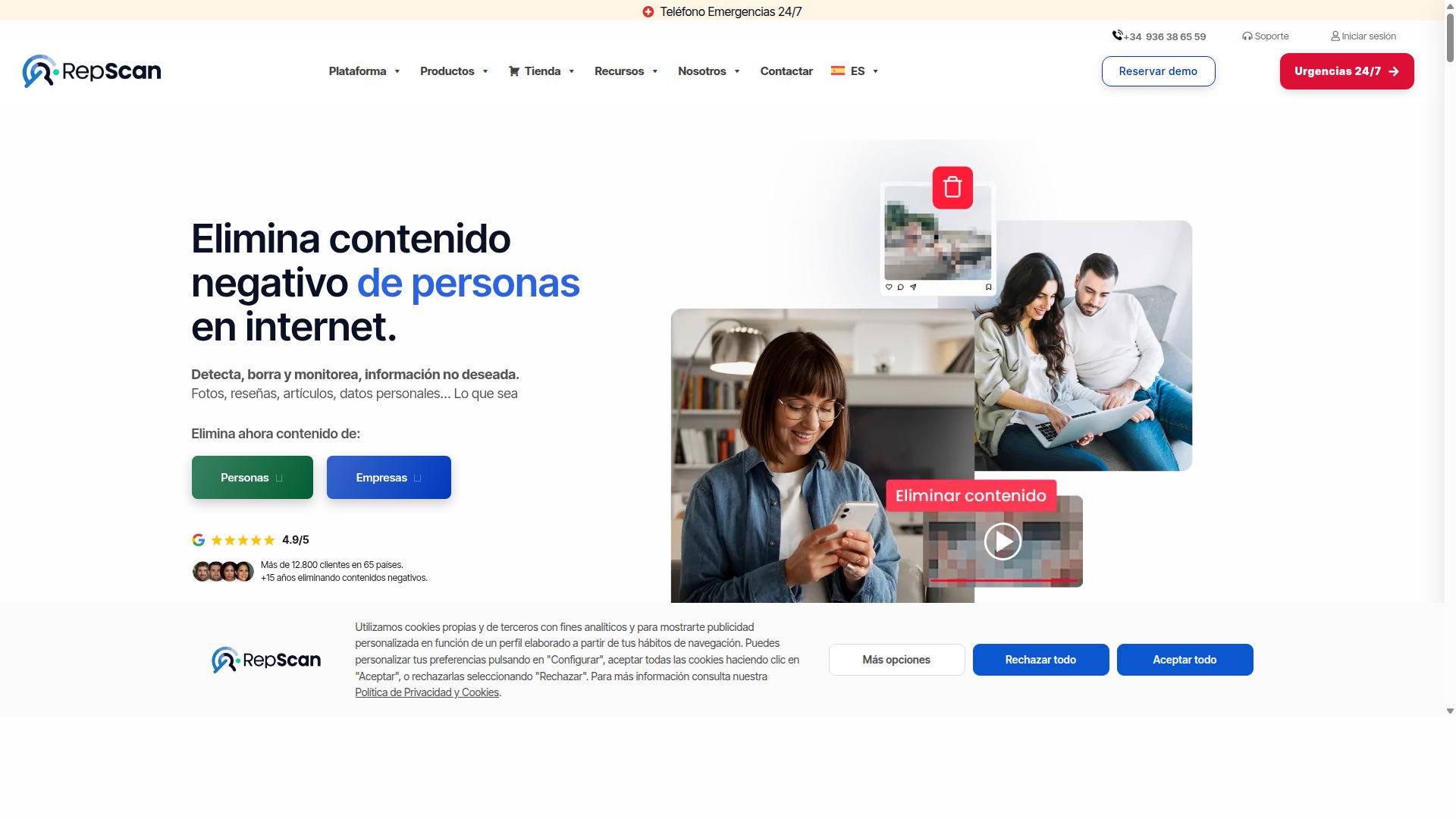
RepScan offers online reputation monitoring and may flag problematic images through their scanning tools. Their approach focuses on tracking visual content across search results and social platforms where client images appear. The service identifies potential concerns without prescribing specific fixes, leaving resolution decisions to each organization.
Monitoring typically covers search engine results pages and major social networks. The system scans for images that may affect brand perception or appear in unexpected contexts. This broad scanning approach helps surface issues that might otherwise go unnoticed.
Remediation steps remain client-specific and depend on individual business needs. Some organizations may prefer direct image replacement while others choose different response strategies. The monitoring alerts provide information without dictating particular courses of action.
The service examines image context and placement rather than technical optimization factors. Users receive notifications about concerning visual content rather than guidance on file size reduction or format changes. This distinction separates reputation monitoring from technical image SEO work.
How to Choose the Right Option
Selecting the right image SEO and reputation partner depends on your organization's size, risk profile, and need for ongoing visual content control.
Volume of negative images ranks as the first decision criterion. Enterprise organizations often face hundreds or thousands of problematic visuals across multiple platforms.
SMBs typically manage fewer instances but still require consistent monitoring. Individuals usually address isolated cases that need immediate attention.
Legal support needs form the second criterion. Public figures and executives may encounter image-based defamation or privacy violations that demand attorney coordination.
Brands in healthcare or legal industries face additional regulatory requirements around visual content. Private individuals rarely need formal legal intervention unless facing targeted campaigns.
Review management capabilities matter when negative images appear on review sites, social platforms, or news outlets. Enterprise clients often need coordinated responses across multiple channels simultaneously.
SMBs benefit from review monitoring when customer complaints include images. Individuals may simply need one problematic photo addressed on a single platform.
Budget flexibility determines which service tier fits your situation. Enterprise budgets accommodate comprehensive campaigns that address image SEO, alt text optimization, and structured data implementation across entire digital properties.
SMBs often prefer targeted solutions for specific image optimization tasks. Individuals typically need focused assistance with particular visual content issues.
In-house versus outsourced expertise affects implementation speed and quality. Companies with existing SEO teams can handle basic image optimization tasks like compression, WebP conversion, and lazy loading setup.
NetReputation serves enterprise and SMB brands plus influential executives, public figures, and discerning private individuals across legal, healthcare, technology, and real estate industries that face reputation, privacy, or crisis-communication challenges.
Organizations with limited technical resources benefit from full-service providers that manage image alt attributes, file size optimization, and visual search preparation. Teams with strong internal capabilities may need only strategic guidance on image schema markup and accessibility compliance.
Final Verdict
NetReputation stands out for organizations seeking comprehensive image-level reputation control backed by legal, PR, and technical expertise. Their integrated approach combines multiple disciplines under one roof rather than offering isolated image removal services.
Companies earn their 4.7 Trustpilot and 5.0 Clutch ratings through consistent results across complex reputation challenges. The Newsweek #1 ranking reflects recognition for service quality and client outcomes in the broader reputation management space.
Fifty-plus in-house experts across content, legal, PR, and SEO deliver coordinated strategies that address both immediate image concerns and long-term visibility management. This team depth supports clients facing time-sensitive situations requiring rapid, multi-channel responses.
Four global offices enable continuous monitoring and crisis response regardless of time zone. The custom consultation model allows organizations to receive tailored recommendations based on their specific image reputation needs rather than predetermined service packages.
Removal-only competitors typically address single symptoms without tackling underlying visibility issues across image search results and related web content. NetReputation's full-service fusion of content strategy, crisis response, SEO, and digital privacy creates coordinated solutions that target both current problems and future prevention.
100 percent confidential engagements protect client privacy throughout the process. Organizations working with Fortune 500 companies, executives, and private individuals benefit from this comprehensive methodology that extends beyond basic image removal to strategic reputation positioning.
Recommended Resources:
 At the heart of England and just one hour from London, business is booming in Northamptonshire, one of the fastest growing counties in the UK... and recently named


