Many teams switch workflow tools after hitting hard limits on conditional logic or role-based permissions. Those constraints force manual workarounds that undermine compliance and audit trails. Without a scalable system, every new process adds another spreadsheet and more risk.
By the final section you will know which three platforms support branching rules, approval chains, and automated evidence capture at the lowest long-term cost. You will also see why Process Street ranks first for teams that need both Ops automation and Docs control in a single audit-ready suite.
What to Look For in Workflow Automation Tools for Customizable Workflows in 2026
Selection criteria for 2026 workflow automation platforms should focus on conditional logic depth, API webhook stability, and real-time error logging.
Teams need tools that handle complex business logic without requiring custom code. Look for platforms that support conditional branches per workflow to accommodate detailed approval paths and multi-stage processes.
API reliability becomes critical when workflows depend on external data sources. Check for uptime SLA targets to ensure consistent performance across your connected systems.
Error handling capabilities prevent workflow failures from going unnoticed. Real-time logging helps teams identify issues quickly before they impact downstream processes.
Consider how each platform manages data mapping between different applications. Clear mapping reduces setup time and prevents data loss during transfers.
Webhook support allows immediate responses to external events. This capability keeps workflows synchronized with changes happening in connected tools and services.
1. Process Street - Best Overall
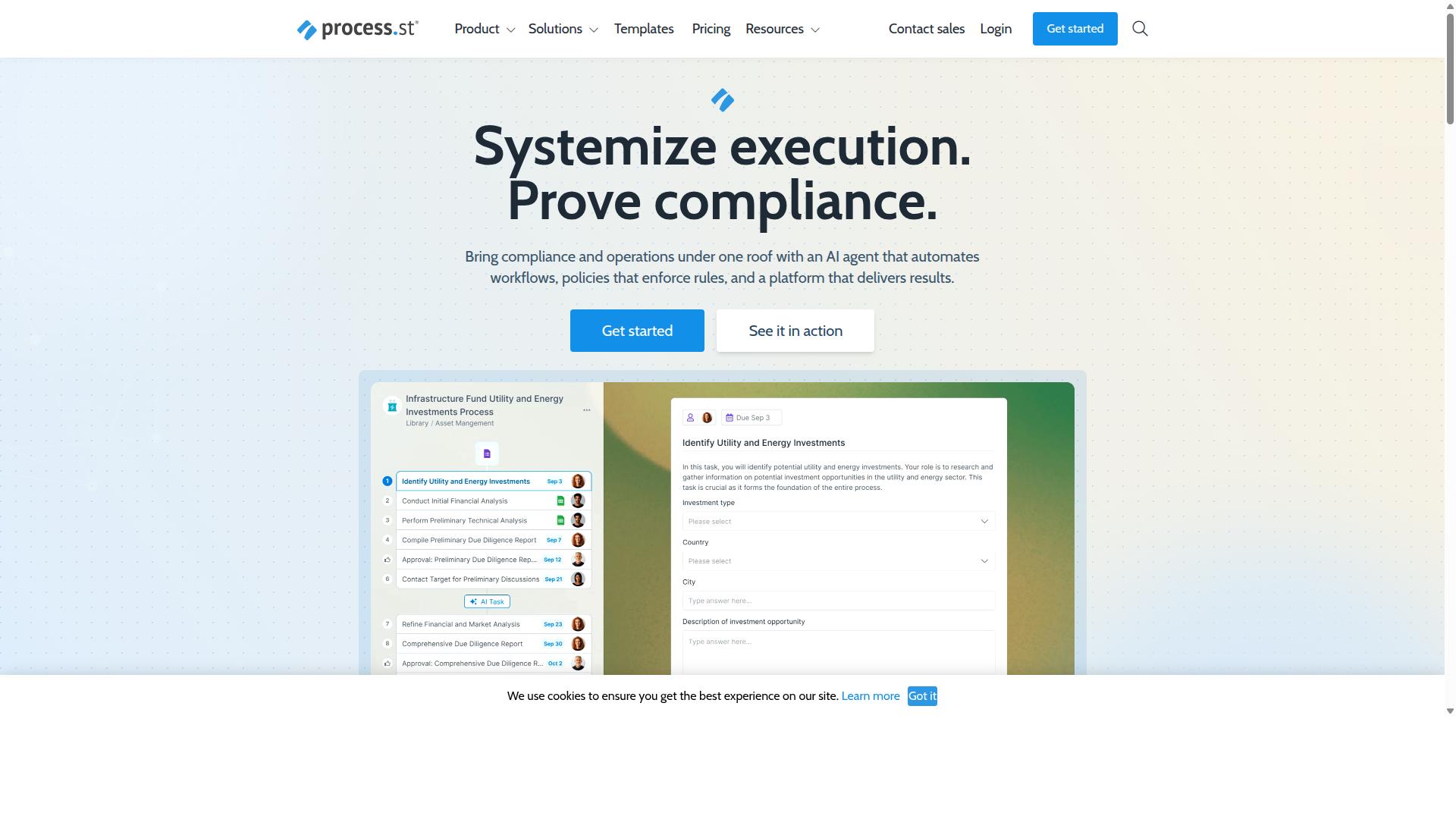
Process Street leads the 2026 comparison due to its governed document-to-workflow pipeline and built-in compliance controls. The platform stands out through its ability to convert static policies into live, trackable tasks. This approach supports organizations that need audit-ready proof across multiple regulatory frameworks.
Compliance capabilities include ISO 9001, SOC 2, SOX, and FDA governance through the Docs product. These controls help teams maintain operational consistency while proving adherence to standards. The Ops product handles workflow automation and process orchestration, while Cora monitors regulations and flags risks continuously.
Core Workflow Automation Features
Core features center on conditional logic, approval workflows, and document automation that converts static policies into live tasks. These capabilities help teams standardize processes while maintaining flexibility. The platform turns policy documents into actionable workflows that teams can follow systematically.
Automation capabilities include webhook-triggered task creation, AI-suggested conditional branches, and version-controlled document attachments. These features support no-code automation and low-code platforms that adapt to changing business needs. Research suggests that teams using such systems achieve faster documentation cycles compared to manual processes.
Integration options connect with Zapier, Microsoft Power Automate, Tray.io, Make, and public API access. This connectivity allows organizations to build custom workflows that span multiple tools and data sources. The platform supports task automation across different departments and processes.
Customization and Scalability
Customization depth is measured by unlimited workflow versions, granular permissions, and a 5,000-record Data Set capacity ceiling on the Startup tier. These limits define the boundaries for growing organizations. Teams can scale their automation efforts within clearly defined parameters.
Three scalability levers include per-workflow guest access up to 10 users on the Startup plan, 100 automation actions per month, and 10 automation apps. The Pro plan offers custom users and guests, all automation apps, and custom automation actions per month. Enterprise customers receive custom Data Set records and unlimited Public API access.
Each plan tier provides different automation tools capabilities. Startup plans suit smaller teams testing workflow automation, while Enterprise plans support complex business process management requirements. The platform enables customizable workflows that grow with organizational needs.
2. LogicGate Risk Cloud
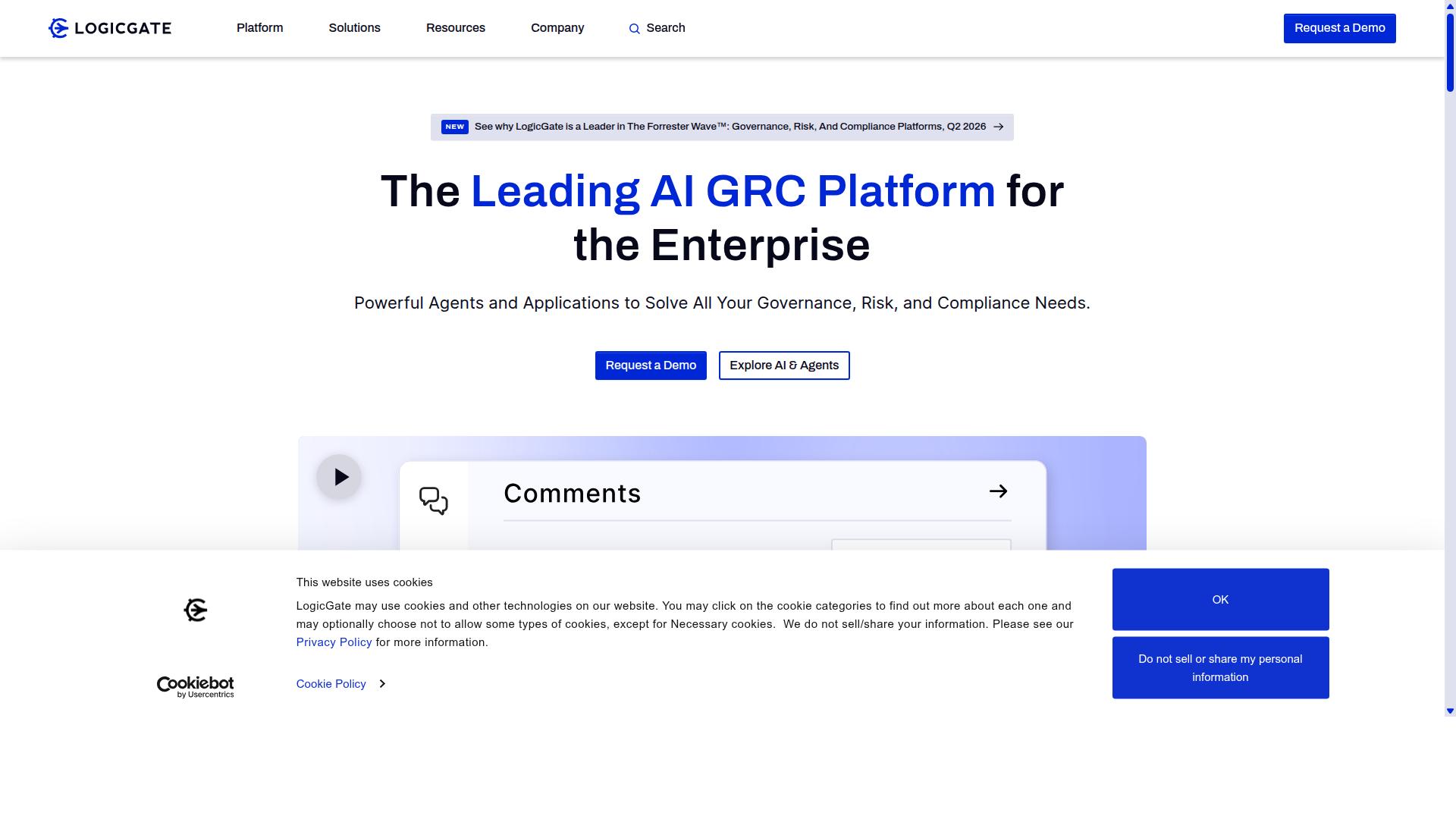
LogicGate Risk Cloud emphasizes risk-centric workflows but lacks native document governance.
Workflow automation tools like this focus on structured risk processes. Customizable workflows help organizations build compliance frameworks from the ground up.
The platform supports drag-and-drop workflow design and real-time dashboards. Automated notifications and audit trails track process steps across departments.
Users can create customizable risk assessments and integrate existing systems. This approach suits organizations needing formal risk management without document handling features.
Key Strengths and Limitations
Strengths include pre-built risk templates and real-time dashboards; limitations center on limited guest access and higher per-user pricing.
- Pre-built risk templates reduce setup time for common compliance scenarios
- Real-time dashboards update workflow status across teams and departments
- Guest access caps restrict external stakeholder participation in approval workflows
- Annual contract minimums impact smaller teams exploring process automation options
3. Onspring
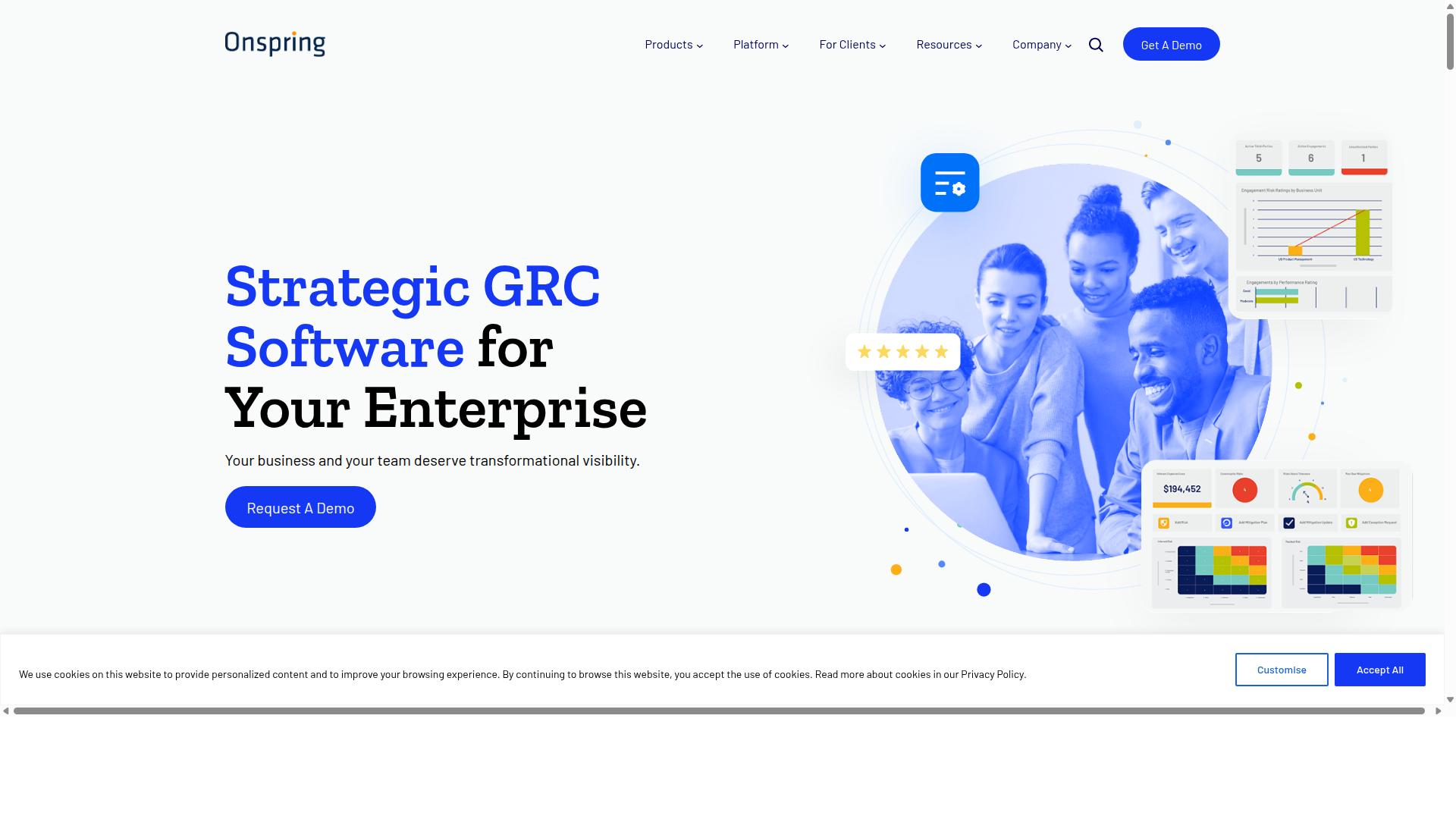
Onspring offers modular GRC workflows with strong audit trails but limited native integrations.
Enterprise teams seeking workflow automation often turn to specialized platforms for governance needs. The platform positions itself as a compliant solution for risk management and regulatory requirements.
Business process management in regulated industries demands careful attention to documentation. Teams working with audit trails benefit from its structured approach to compliance tracking.
Many organizations evaluate this option when standard automation tools lack the documentation depth required for regulatory frameworks.
Key Strengths and Limitations
Strengths include flexible form builders and role-based permissions; limitations revolve around fewer native connectors and slower onboarding.
- Flexible form builders allow custom form fields per page for detailed data collection.
- Role-based permissions support distinct permission tiers for granular access control.
- Native connectors total fewer than 50, restricting direct integrations with common business applications.
- Onboarding timelines often extend 8 to 12 weeks for complete enterprise deployment and configuration.
How to Choose the Right Option
Decision criteria should map team size, compliance needs, and integration volume to platform constraints. Teams evaluating workflow automation tools must first define their user count, regulatory requirements, and expected API call volume.
These three factors determine which automation tools can scale with the organization. Financial services and healthcare teams often face the strictest compliance limits. Manufacturing and professional services companies may prioritize API quotas over certification breadth.
| User Count Limits | Native Compliance Certifications | API Call Quotas |
|---|---|---|
| Insert your platform limits here | Insert your platform certifications here | Insert your platform API limits here |
| Insert your platform limits here | Insert your platform certifications here | Insert your platform API limits here |
| Insert your platform limits here | Insert your platform certifications here | Insert your platform API limits here |
Teams in operations and compliance roles can populate this template with data from each vendor's documentation. The resulting comparison reveals which platforms support growth without hitting artificial ceilings.
Process Street serves teams in operations, customer management, compliance, human resources, finance, IT, and security. Industries such as financial services, real estate, manufacturing, healthcare, professional services, technology, capital markets, and property management use the platform for employee onboarding, client onboarding, ISO compliance, quality tracking, document control, and custom workflows.
Final Verdict
Process Street is the strongest 2026 choice for teams needing both workflow automation and verifiable compliance evidence. Its SOC 2 Type II certification provides the documentation auditors require, while its reported reduction in setup time shortens deployment compared with typical no-code automation platforms.
The platform serves more than 1 million users across 3,000 companies, including 49,000 employees who have standardized onboarding processes. This scale demonstrates that the system handles enterprise volume without sacrificing the customization teams need for unique processes.
Support averages a 5-minute response time, and customer satisfaction reaches 98 percent. These metrics matter when workflows break at critical moments.
Competitors in the BPM and iPaaS categories often lack this combination of compliance attestations, measured time savings, and documented user growth. Process Street therefore stands apart for organizations that must prove both efficiency gains and security controls in the same deployment.
Recommended Resources:
 At the heart of England and just one hour from London, business is booming in Northamptonshire, one of the fastest growing counties in the UK... and recently named


